


Everyone talks about “building your brand’s authority,” but when all your competitors are doing the same things, how do you stand out?
Most brands follow the same playbook: blog posts, trend-chasing, and trying to out-shout competitors.
The smarter path is original research. Collecting and publishing unique data:
- Builds brand authority
- Earns backlinks
- Positions your brand as a go-to resource in your field
Original research creates insights that competitors can’t copy, making your brand memorable and trustworthy.
What Is Original Research In Marketing?
Original research in marketing is the process of collecting new, unpublished data to provide unique insights for your audience.
Unlike recycled content, it:
- Provides fresh, credible information
- Is highly shareable and referenceable
- Supports your audience even if they haven’t purchased yet
It’s different from traditional market research, which often focuses only on basic customer insights. Original research digs deeper into real industry questions.
Consider Your Customers' Needs When Planning the Research
Engage your marketing team to craft precise questions that yield clear insights into your customers’ key concerns.
For example, a tech company might not just ask what people want from a phone. Instead, they explore problems and needs smartphone users face daily. The goal is to be helpful about anything related to smartphones, not just the product, becoming the go-to guide even for those who haven’t bought anything yet.
Planning Your Original Research: Audience First
A strong original research marketing strategy starts with knowing who you want to help and what questions they’re asking. This includes identifying your audience segments, planning surveys, choosing the right tools, and setting timelines for analysis and promotion.
Make sure your survey planning checklist includes:
- Who are you looking to support with this research? Be as specific as possible. Your goal is to understand the challenges and needs your users face, aspiring to be a valuable resource not only for your products but also for any related topics relevant to them.
- What insights does your audience seek to foster business success? Your audience seeks to understand the challenges and needs relevant to their work or industry. By comprehending these aspects, your goal is to provide valuable information that empowers them to make better decisions, improve outcomes, and contribute to the success of their business.
- Who are you trying to reach with your message? Target the individuals you want to engage by segmenting them based on demographics, location, role, industry, or other relevant factors. This ensures you connect with the participants who can provide the most meaningful insights for your research.
- How are you planning to conduct the survey and manage the collected data? With the right strategy, tools, and planning, you can design, target, analyze, and produce a complete, content-ready research report efficiently. Platforms like Cluing (formerly Collabwriting) let your team save insights, highlight key findings, and collaborate in real time, keeping research organized and actionable.
- When do you plan to analyze the data and generate a report? Plan your analysis and reporting in alignment with your marketing and promotion schedule. This ensures the insights are timely, actionable, and can support campaigns, content creation, or other initiatives effectively.
Your marketing team is here to assist you in selecting the appropriate survey tools and creating user-friendly dashboards to visualize your survey data effectively.
Additionally, they can craft a promotional plan tailored to your timeline and goals, aiming to maximize the overall return on investment for the campaign.
How to Conduct a Marketing Survey Effectively
- Define your audience and segment participants
- Choose the right survey platform and tools
- Collect data efficiently and keep it organized
- Analyze results and extract actionable insights
- Align findings with your marketing campaigns
Presenting the Findings from the Survey
After analyzing your data and identifying the most helpful insights, it’s time to present them clearly.
Well-presented findings form the backbone of research-driven content marketing.
This typically involves creating a written report with graphics that is easy to share. Offer it in exchange for email addresses to grow your mailing list. Consider an engaging pillar page rather than just a PDF. Include clear calls-to-action, carousel images for social media promotion, and slides or infographics to illustrate key findings.
Done right, research doesn’t just produce a report. It can fuel campaigns for months, support thought leadership, provide actionable insights for sales and PR teams, and even attract media coverage.
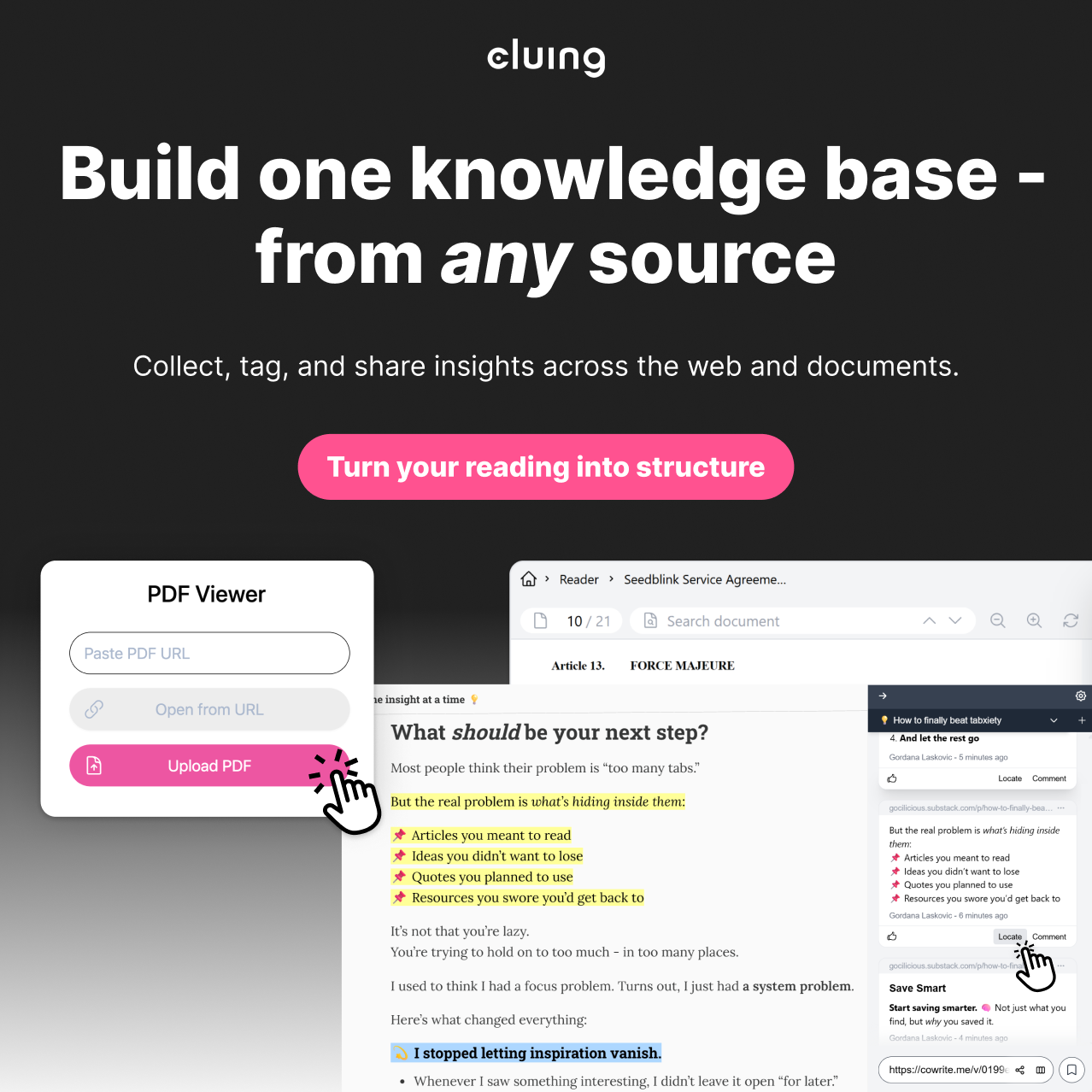
Cluing - Shareable Notes on Web Pages and PDFs
Cluing (formerly Collabwriting) allows you to gather all your online sources in one place. No more endless scrolling, no more lost insights, just simple, structured knowledge at your fingertips.
Highlight, save, and collaborate with anyone on any content you find online.
Creating Content Based on Your Research
Your content team can extract insights from your reports and source data to craft blog posts, thought leadership articles, or media pitches. This is where research-driven content marketing comes to life.
By repurposing research into content, you can turn a single report into podcasts, slide decks, live event themes, or webinars.
Cluing makes it easy to track insights and collaborate across teams, ensuring context and original sources are never lost.
The more diverse ways you share your findings, the more opportunities you have to connect with your audience.
- Semrush
Regularly conduct new research and share your findings
Publishing original research in marketing consistently keeps your brand relevant and positions you as a trendspotter.
By sharing fresh insights on a regular basis, you show your audience that your brand is actively engaged in understanding market trends and challenges. This not only strengthens credibility but also creates multiple touchpoints for engagement through blogs, reports, social media posts, webinars, and events.
Frequent research also allows you to spot emerging opportunities, benchmark progress over time, and adjust your marketing strategy based on real data.
Over time, this approach transforms your brand into a thought leader, earning loyalty and attention from both existing and potential customers.
Conslusion
Original research is more than just collecting data. It helps you understand your audience and provide real value. Combined with a clear research strategy and content based on insights, it builds authority and trust.
Done consistently, research becomes a resource that drives decisions, strengthens relationships, and positions your brand as a trusted leader.
FAQ
What is original research in marketing?
Original research in marketing is the process of collecting and analyzing new, unpublished data to provide unique insights for your audience. It goes beyond recycling existing content and creates credible, shareable information that positions your brand as a trusted authority.
Why should my brand conduct original research?
To stand out, generate leads, support thought leadership, and provide actionable data for your team.
How do I plan a research survey effectively?
Define your audience, segment participants, choose tools, set timelines, and align reporting with marketing campaigns.
💡 Tools like Cluing can help organize data and collaborate across teams.
How can I present research findings to maximize impact?
Use clear, visual reports with graphics, slides, or infographics. Offer downloadable reports in exchange for emails, and create social media content to share key insights.
Do I need a big budget to conduct original research?
No. Strategic planning and the right tools allow high-quality, actionable research without overspending.
How does original research help in building brand authority?
By providing unique, data-driven insights that your audience trusts. Consistent sharing strengthens relationships and positions your brand as a thought leader.


![The Best Tool for Collaborative Research in Content Marketing Teams [2026]](/content/images/size/w600/format/webp/2025/12/image--5-.png)

![5 Tools Marketers Use to Organize Research - Compared [2026]](/content/images/size/w600/format/webp/2026/01/Frame-1975.png)


